Buying a Waikoloa condo as a vacation rental can be a smart play, but the right choice is what separates a 5-star calendar from one that struggles. You want strong income, happy guests, and smooth operations without surprise fees or rule changes. In this guide, you will learn how to weigh location near Anaehoʻomalu Bay, verify taxes and HOA rules, compare amenities, and plan day‑to‑day logistics for reliable returns. Let’s dive in.
Map the market: Resort vs. Village
Waikoloa Beach Resort sits on the Kohala Coast and includes Anaehoʻomalu Bay (A‑Bay), Kings’ Shops, Queens’ MarketPlace, and major hotels. Walkability to this resort core is a major driver of nightly rate and occupancy. Explore the layout and amenities on the Waikoloa Beach Resort official site.
Waikoloa Village is a separate inland community at higher elevation. It offers a different residential feel and distance to the beach that can affect short‑term rental demand. For context on that community, visit the Waikoloa Village Association. Always confirm the exact location in the listing and the proximity to A‑Bay when modeling revenue.
Why A‑Bay proximity matters
- Short, safe walks to A‑Bay, Kings’ Shops, and Queens’ MarketPlace often command higher ADR and faster bookings.
- Check the route for sidewalks, stairs, and road crossings. A pleasant path boosts reviews.
- Expect tradeoffs: closer-in inventory usually costs more and may carry higher HOA dues, while inland options can price lower and attract longer stays.
- Note event noise. Resort events can help demand but bring occasional evening activity.
Know the rules before you buy
Short‑term rentals in Hawaiʻi involve state taxes, county oversight, and association rules. Verify each item for the specific parcel and complex.
Taxes and registration
- Hawaiʻi requires transient accommodations tax and general excise tax on short‑term rentals. Confirm current rates and registration steps with the Hawaii Department of Taxation.
- Counties may require registration or have zoning rules that affect STRs. Review current guidance for the resort’s jurisdiction on the Hawaii County website.
HOA and condo rules
- Get the CC&Rs, bylaws, and house rules in writing. Look for minimum-stay limits, rental caps, guest registration, parking rules, vendor hour restrictions, and any advertising or management restrictions.
- Ask for recent board minutes and any pending rule changes. Some associations are updating STR policies.
- Request the association budget, reserve study, special assessment history, insurance requirements, and any outstanding litigation.
- If the unit is already a rental, ask for 12 months of booking ledgers and income statements.
Insurance and safety
- Confirm the unit can be insured for STR use and obtain quotes that disclose the activity. Some carriers require different coverage for rentals.
- Check safety requirements such as smoke or CO detectors and fire extinguishers if applicable in your building.
- Verify whether the property lies in a flood or tsunami zone with the FEMA Flood Map Service Center. Confirm how this may affect insurance and guest communications.
Features that drive rate and bookings
The right mix of location and amenities is what sets your listing apart and supports premium pricing.
High‑impact in‑unit features
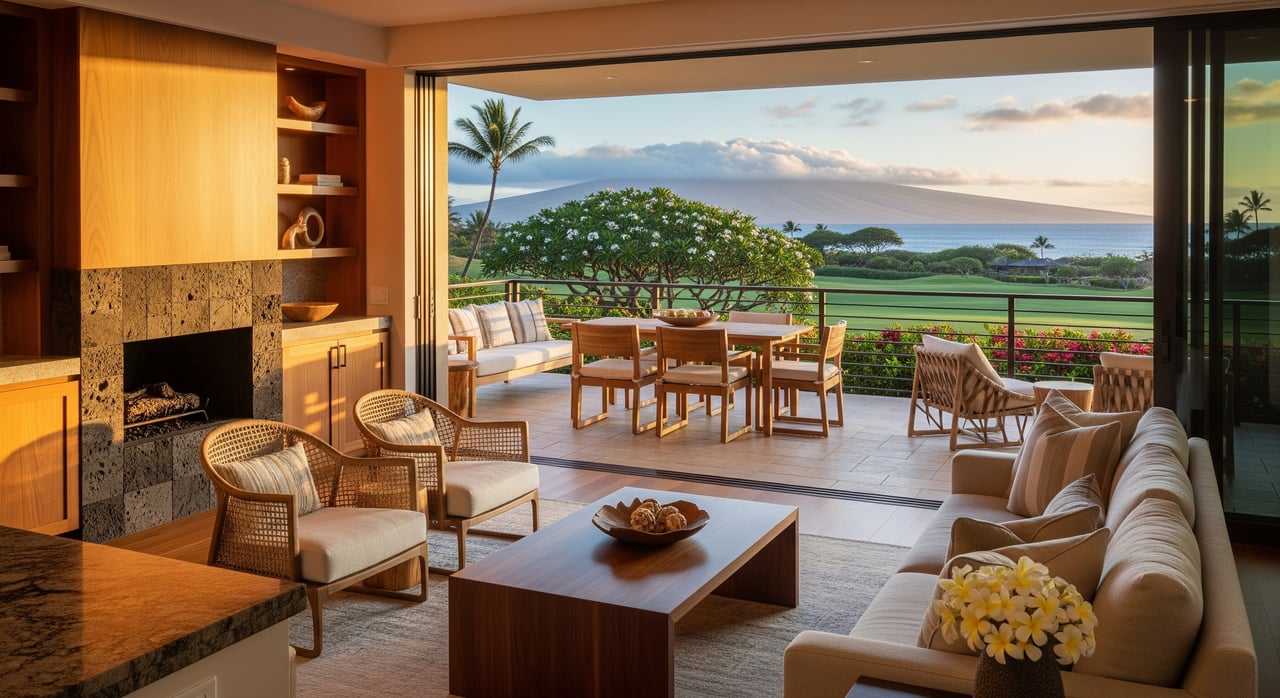
- Ocean or partial ocean views and a generous lanai are consistent premium features.
- In‑unit washer and dryer adds convenience for longer stays.
- Updated full kitchen and bathrooms increase appeal and review scores.
- Air conditioning or quality fans expand your guest base.
- Reliable high‑speed Wi‑Fi and a smart lock for easy self check‑in improve the experience.
- Flexible bedding such as a king bed plus a sofa bed, or a well‑planned bedroom mix, widens your market.
Building and resort amenities that matter
- Pools, hot tubs, beach access, BBQ areas, tennis or golf access, onsite dining, and shuttle services add value for guests.
- Higher amenity density often means higher HOA dues. Compare the dues to expected ADR uplift by studying comps from STR data sources like AirDNA or Transparent.
Turnover logistics and access
Turnover speed and simplicity affect both your cost structure and your ability to accept back‑to‑back nights.
Parking and elevator checks
- Confirm assigned stall locations, guest parking availability, loading zones, and any visitor parking fees.
- For multi‑level buildings, ask about elevator count and capacity. A single small elevator can slow cleaners and large groups.
- Ground‑floor or close‑parking units reduce cleaning time and simplify supply runs.
Laundry, storage, and supplies
- Plan linen storage and laundry. In‑unit laundry is a major operational win.
- If laundry must be offsite, estimate time and cost, and build in buffer stock.
- Confirm if the association allows storage of supplies or linens on site.
Vendor rules and guest check‑in
- Ask if vendors must register, follow specific hours, or pay parking fees. These rules affect scheduling and cost.
- Confirm whether guests must register with a front desk and whether signage is allowed.
Noise, privacy, and guest satisfaction
A quiet, private stay earns better reviews and repeat bookings.
Common noise sources to map
- Event venues at nearby hotels, including weddings or evening functions.
- Night activity around Kings’ Shops and Queens’ MarketPlace.
- Roadway and parking lot exposure.
- Construction or resort upgrade work, which can be seasonal.
Unit‑level choices and mitigation
- Higher floors can reduce street and parking noise but rely on elevator access.
- Some ground‑floor layouts are private and quiet, while others face walkways or parking.
- Ask the HOA about past noise complaints and how they handle enforcement.
Accessibility and guest fit
Match the unit to your likely guest profile.
- Units with many stairs or no elevator may be less appealing to guests with mobility limitations.
- Clear parking, easy wayfinding, and simple self check‑in instructions help all guests.
- Provide an accurate listing description that sets expectations on access and layout.
Build a realistic pro forma
Your model should reflect the complex, not the island average. Use local data and seasonality.
Data to collect
- ADR and occupancy by month for the complex or immediate area from sources like AirDNA or Transparent.
- HOA dues, reserve health, special assessments, property tax, STR‑grade insurance, utilities, cleaning costs, and linen replacement cycles.
- Minimum stay rules and their impact on booking mix.
Seasonality and event windows
- Big Island tourism is strong in winter and solid in summer. Confirm monthly trends with the Hawaii Tourism Authority.
- Track local events, holidays, and golf tournaments that shift demand.
Model base, conservative, and optimistic cases
- Build three scenarios for ADR times occupancy and test sensitivity to HOA rule changes.
- Include realistic cleaning frequency and management fees if you will use a full‑service or co‑host model.
Due diligence: step‑by‑step
Follow a structured process to protect your returns and timeline.
Before you make an offer
- Confirm county rules and any required STR registration for the exact parcel on the Hawaii County website.
- Obtain CC&Rs, bylaws, house rules, reserve study, budget, fee history, and board minutes that mention STRs.
- Request at least 12 months of booking and income data for the unit, or get comp data from STR sources.
- Walk the property during common check‑in and evening hours to gauge noise and traffic.
- Verify assigned parking, guest parking, loading areas, and elevator logistics.
- Get insurance quotes that disclose STR use and confirm availability.
- Check flood and hazard zones with FEMA’s map tool and plan any guest messaging.
After closing: get rental‑ready
- Install or confirm strong Wi‑Fi and a smart lock approved by your HOA.
- Standardize a professional cleaning program and line up a backup cleaner.
- Build a digital guest guide with parking maps, house rules, and local tips.
- Register for TAT and GET with the Hawaii Department of Taxation and set up simple remittance.
- If you prefer hands‑off ownership, interview local managers and compare their ADR and occupancy case studies for the resort.
Local resources
- Waikoloa Beach Resort official info and maps
- Hawaii Department of Taxation: TAT and GET
- Hawaii County: Planning and STR guidance
- Hawaii Tourism Authority: visitor data
- FEMA Flood Map Service Center
- AirDNA: STR market data
- Transparent: STR market data
- Vacation Rental Management Association
Selecting the right Waikoloa condo comes down to a few consistent drivers. Prioritize walkable proximity to A‑Bay and the resort core, ocean or partial ocean views, in‑unit conveniences like laundry and A/C, and strong building amenities. Pair that with clear HOA due diligence and well‑planned turnovers to protect yield and guest satisfaction. If you want a concierge partner to help you buy, set up, and manage your condo, our team is ready to help.
Ready to run the numbers and tour top candidates? Schedule a private consultation with Luxury Properties Hawaii LLC.
FAQs
What is the difference between Waikoloa Beach Resort and Waikoloa Village for vacation rentals?
- Waikoloa Beach Resort is coastal and walkable to A‑Bay, shops, and hotels, which often supports higher ADR and occupancy, while Waikoloa Village is inland at higher elevation with different guest demand patterns; confirm exact location and distance to A‑Bay using the resort’s official info and the Village Association site.
Do you need to register or pay special taxes for short‑term rentals in Waikoloa?
- Yes, Hawaiʻi requires transient accommodations tax and general excise tax, and counties may require registration or have zoning rules; verify the latest requirements with the Hawaii Department of Taxation and Hawaii County.
Which condo amenities most increase nightly rate in Waikoloa?
- Walkability to A‑Bay, ocean or partial ocean views, a spacious lanai, in‑unit washer and dryer, updated full kitchen, air conditioning, and reliable Wi‑Fi with smart lock access are consistent value drivers.
How close should a condo be to A‑Bay to stay competitive?
- Short and pleasant walkability to A‑Bay, Kings’ Shops, and Queens’ MarketPlace typically raises ADR and occupancy; verify walking time, sidewalk access, and any busy crossings using Waikoloa Beach Resort maps.
How do HOA rules affect short‑term rental performance?
- Minimum stay requirements, rental caps, guest registration, parking limits, vendor rules, and pending policy changes can impact occupancy, operations, and costs; request full HOA documents and recent board minutes before you buy.
What data sources help set pricing for a Waikoloa condo?
- Use complex‑level comps and monthly seasonality from AirDNA, Transparent, and island visitor trends from the Hawaii Tourism Authority to build realistic ADR and occupancy models.