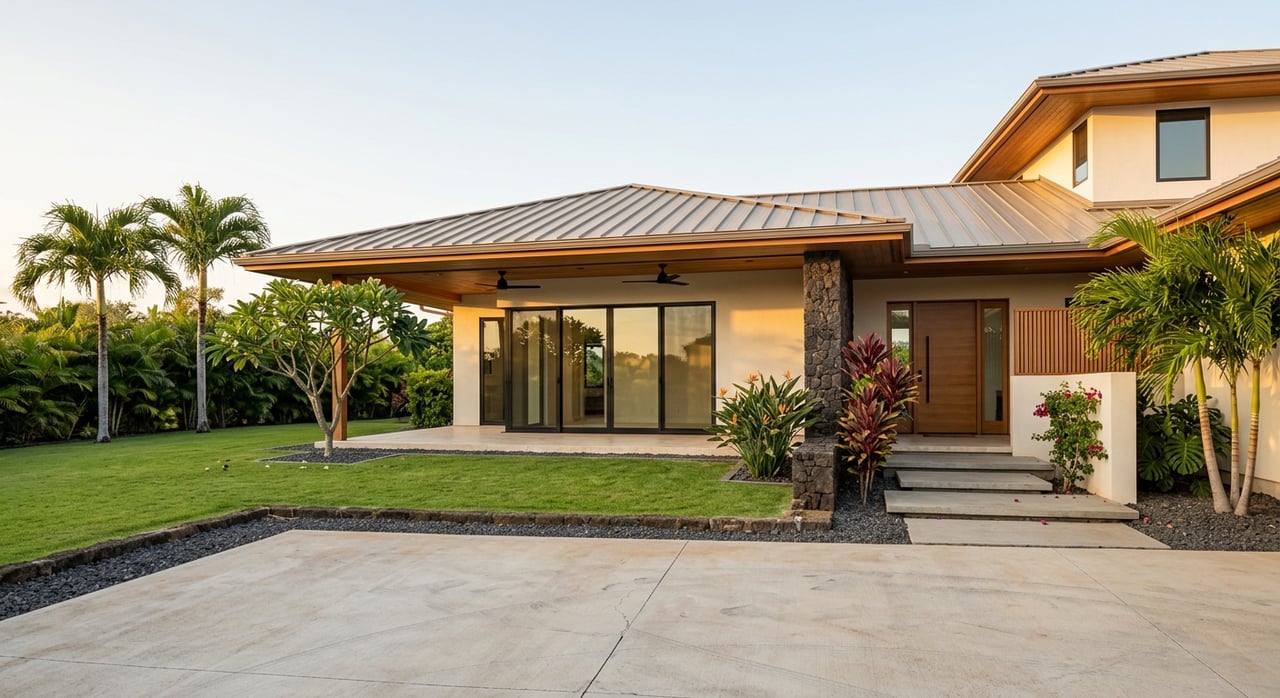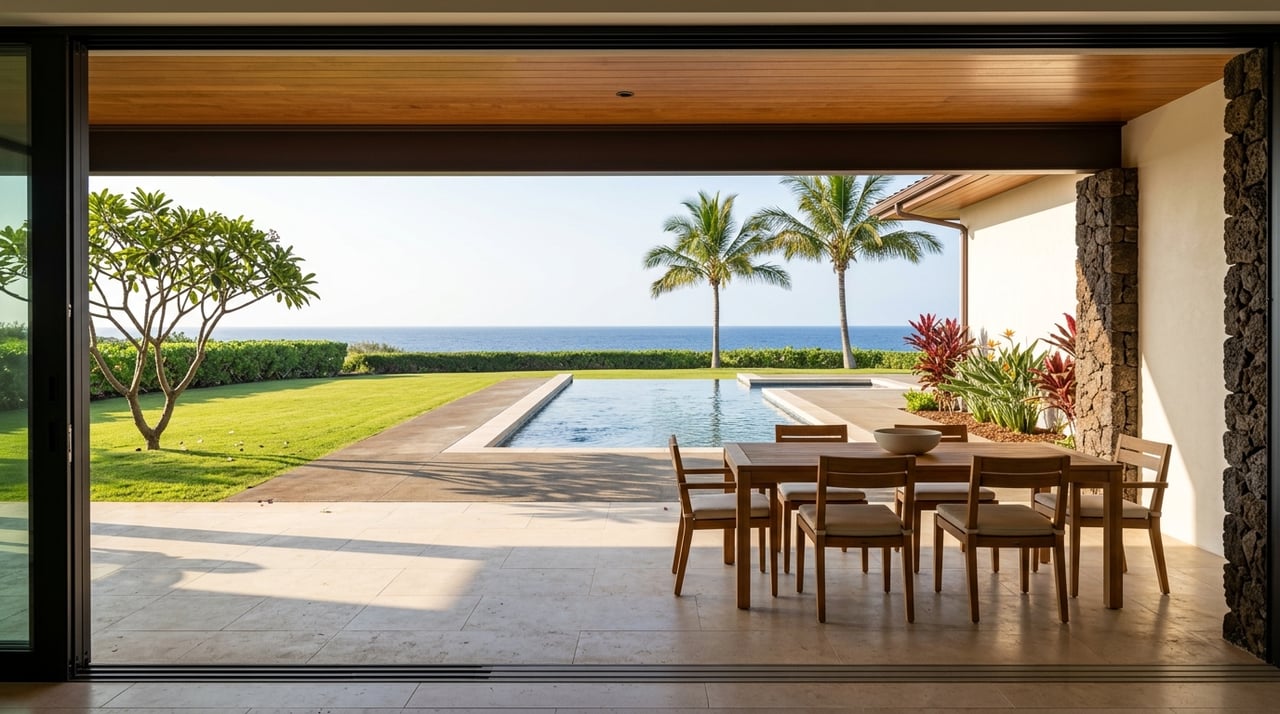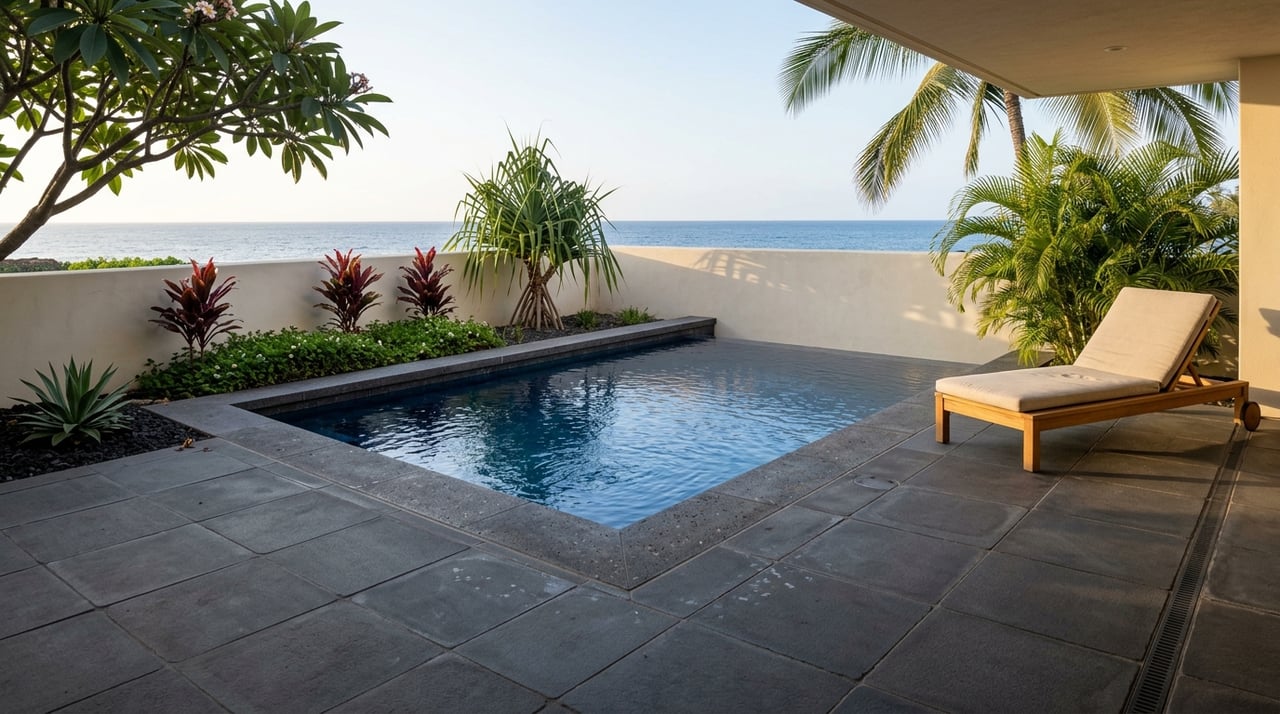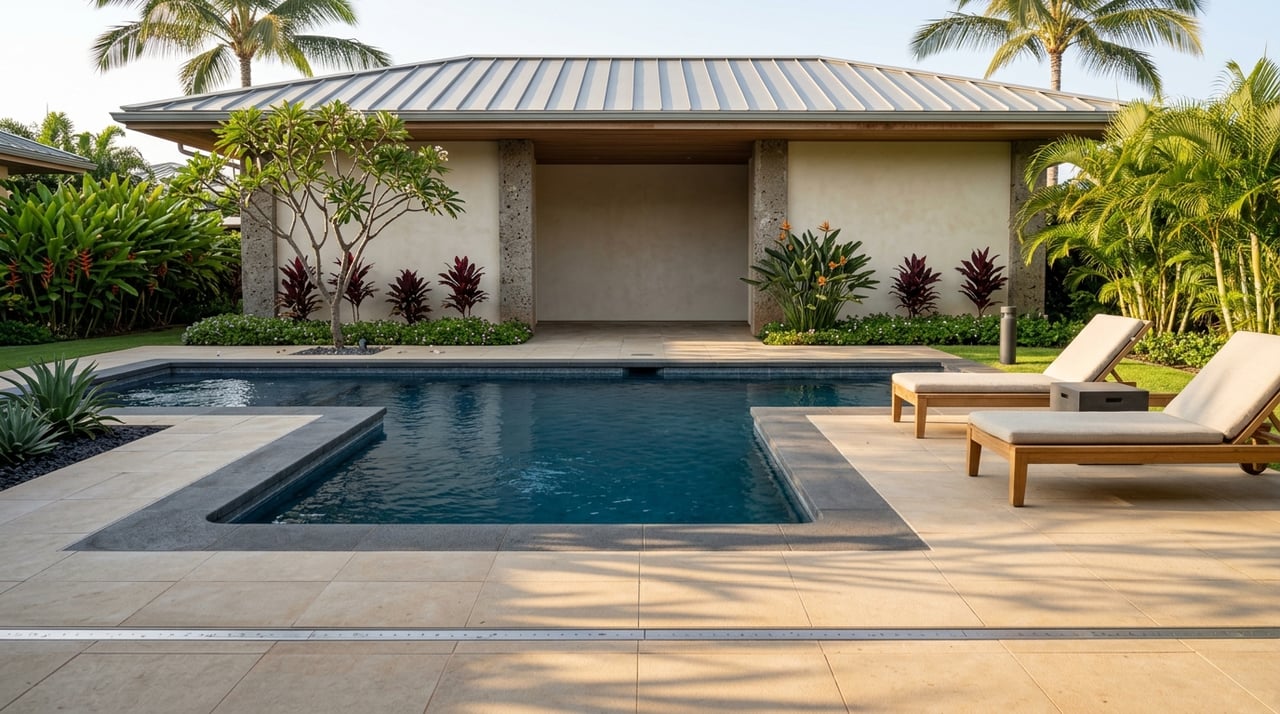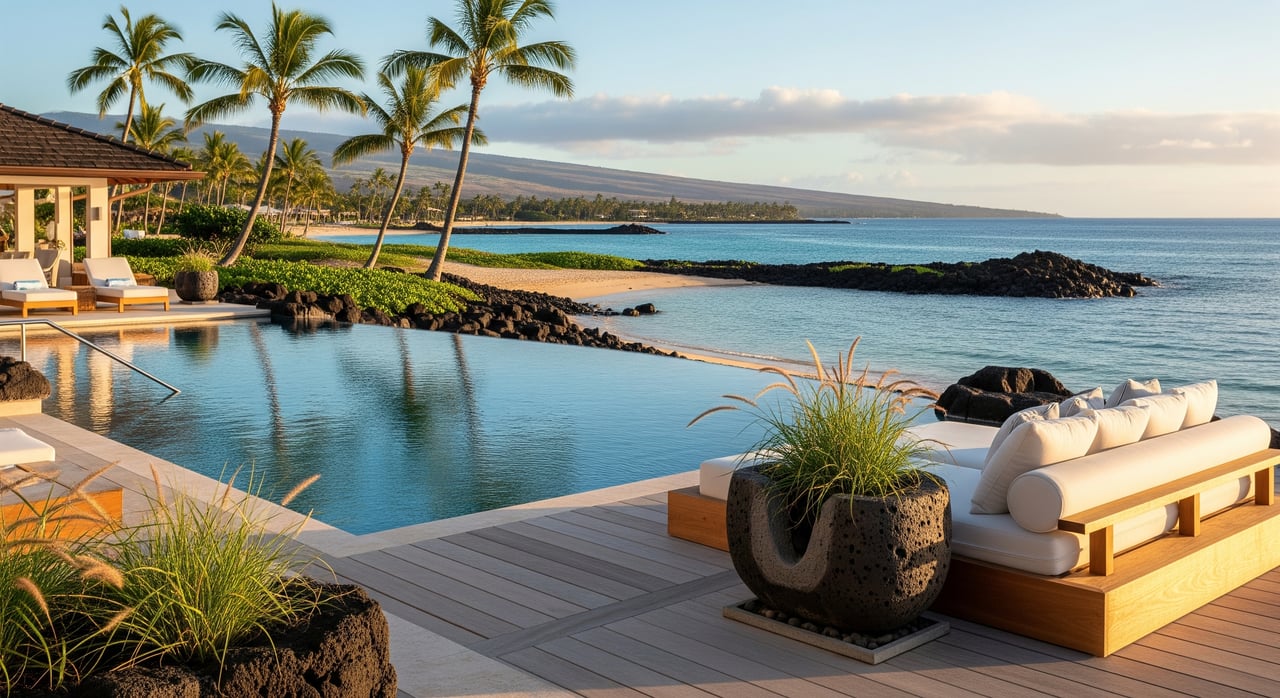
Picture this: you start your day with a quiet swim in calm, clear water, break for lunch at a nearby cafe, then end with a golden Kohala Coast sunset. If you are weighing a move or second home near Anaehoʻomalu Bay, this rhythm can be your everyday. You want the ease of resort conveniences with the comfort of a real neighborhood. In this guide, you will see how life flows at A‑Bay, how Waikoloa Village pairs with the resort, and what owners should plan for. Let’s dive in.
Why A‑Bay works for your lifestyle
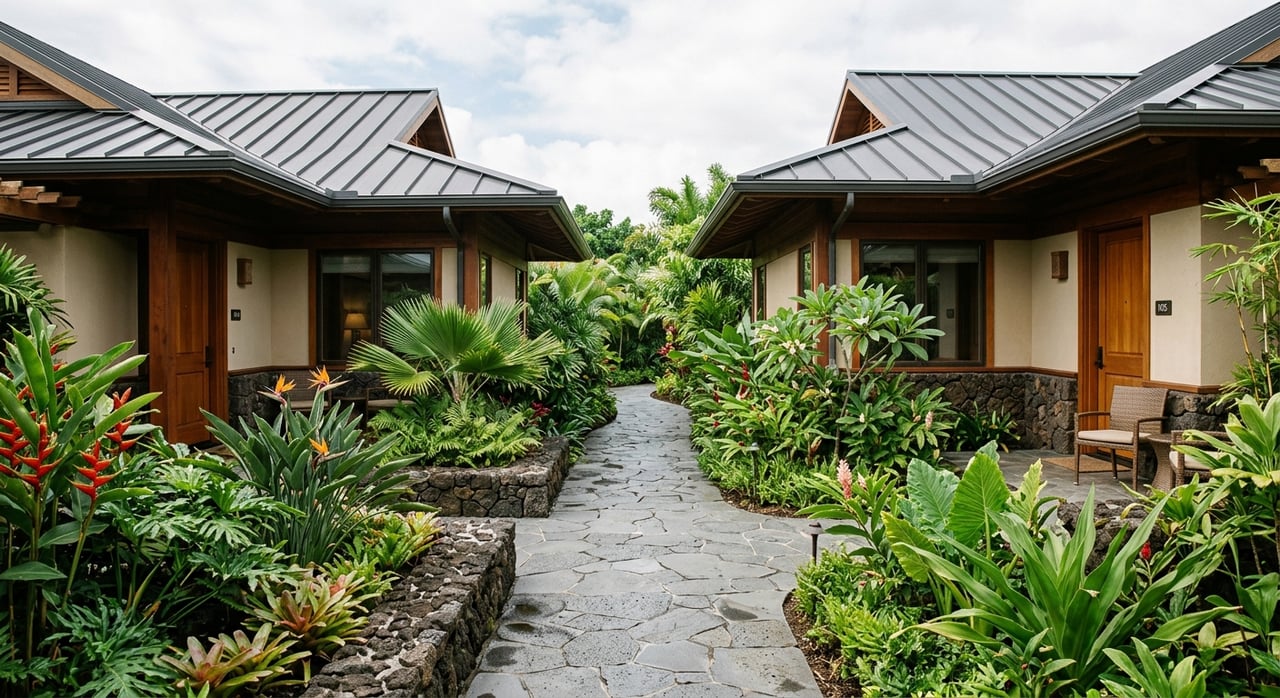
Anaehoʻomalu Bay, often called A‑Bay, anchors the Waikoloa Beach Resort on the sunny Kohala Coast of Hawaiʻi Island. The resort district brings hotels, golf, dining, and shopping together near a sandy shoreline with reef areas. Just inland, Waikoloa Village is a separate residential community that many locals call home while using A‑Bay for beach time, errands, and dining.
You can expect a short car trip between the Village and the resort area. Public transit is limited here, so most residents rely on a private vehicle. For many buyers, the blend of a relaxed neighborhood upland and a resort on the coast hits a sweet spot.
Morning at A‑Bay: calm water and fresh air
Early morning is the time to enjoy A‑Bay’s typically protected conditions. You can swim, snorkel along lava rock and reef, or take a stand‑up paddleboard out before winds pick up. Gentle beach walks are part of the morning ritual, too.
Conditions change with wind, swell, and recent weather, so read the water before you go. Some entry points include rock and coral, so reef shoes help. Bring reef‑safe sunscreen to protect your skin and the coral.
Quick beach kit:
- Reef‑safe sunscreen and a wide‑brim hat
- Mask, snorkel, and fins if you plan to explore
- Reef shoes for rocky entries
- Water and light snacks
Midday: shops, golf, and easy errands
By late morning or lunch, many people head to the King’s Shops and Queens’ MarketPlace within the resort for coffee, groceries, galleries, and restaurants. These centers serve both residents and visitors, making everyday errands simple without leaving the area.
If your day includes golf or tennis, Waikoloa Beach Resort features well‑known courses and recreation options. You will also see cultural interpretation around the resort. Short signs and features highlight Hawaiian culture, and some coastal areas host archaeological sites with posted guidance.
Afternoon: wellness and family time
Afternoons lean into wellness and family. Resort spas, yoga classes, and fitness options are common, often available through hotels or private memberships. Families enjoy shallow snorkeling in the bay, pools, picnic areas, and short coastal walks.
If you want to stretch your legs, plan a drive to nearby North Kohala beaches, including Hapuna Beach. Always check conditions before you go and be ready for limited shade and changing winds.
Evenings: sunsets and low‑key nights
Sunset at A‑Bay is a community moment. The bay faces west, so the sky often puts on a show. After dusk, you can choose between casual beachfront spots and full‑service restaurants in the resort and shopping centers. Nightlife is relaxed compared with urban hubs, which makes stargazing a favorite on clear nights.
Seasons and weather: what to expect
Trade winds, often from the northeast, help moderate temperatures for much of the year. Wind strength can increase in summer, and short showers can pass over even in this drier coastal zone. Waikoloa Village sits higher than the shoreline, so it is often a touch cooler and can be slightly wetter than the coast.
Tourism has seasons, too. Peak demand tends to cluster around winter holidays and summer. Shoulder periods are quieter and can make dining and activities easier to access. For broad visitor context, you can review regional insights from the Hawaii Tourism Authority.
When planning water time or hikes, check forecasts. Marine and weather conditions are available via the National Weather Service and NOAA marine resources.
Getting around: access and logistics
Kona International Airport (KOA) is the primary commercial airport for the Kona and Kohala coasts. Drive times vary with traffic, construction, and weather, so build in buffer time for flights.
Around Waikoloa, most residents use a private car. Public transit is limited, and rideshares or taxis can be less available than on more urban islands. Plan ahead for airport runs, dinner reservations, and beach days.
Respect the place: culture and ocean safety
The Kohala Coast holds significant Hawaiian cultural and archaeological sites, including heiau, fishponds, petroglyph fields, and features linked by the historic coastal trail system. Follow posted signs, stay on designated paths, and learn before you visit. For background and guidance, consult the Hawai‘i Department of Land and Natural Resources and the Ala Kahakai National Historic Trail.
Ocean time is a privilege and a responsibility. Reefs support fish and coral, and coral and lava rock can be sharp. Do not stand on coral, use reef‑safe sunscreen, and give wildlife space. Lifeguard coverage varies by beach and season, and many beaches do not have continuous lifeguard services. Before you go, review forecasts through the National Weather Service and check the Hawaii Department of Health’s advisories for any beach water quality updates, especially after heavy rain.
Owner essentials: rentals, HOAs, and costs
If you plan to rent your property as a vacation rental, you will need to follow state and county rules. Owners who offer short‑term rentals must register and collect the Transient Accommodations Tax and General Excise Tax. You can confirm registration steps through the State of Hawaiʻi. Zoning and permitting are set at the county level, and local ordinances and enforcement can change. Review requirements with the Hawaii County government and contact the Planning Department for current rules.
Many resort‑area properties are part of homeowners’ associations. HOA dues typically cover amenities, common area care, and sometimes select utilities. Ask for full HOA documents during due diligence so you understand coverage and restrictions.
Utilities and services also matter to your budget. Electricity service is provided by the local utility, and you can explore solar and service options with the Hawaii Electric Light Company. Water and sewer vary by property, with some resort parcels on county systems and others on private systems. Verify details property by property.
For coastal homes and condos, review insurance options with an eye to wind, flood, and hurricane coverage. Conduct thorough inspections, including structural, termite, roof, and any relevant system checks. Along the shoreline, consider erosion history and any past flood or storm impacts as part of your evaluation. For emergency planning, learn evacuation routes and siren procedures through the County of Hawaiʻi.
Due diligence checklist for buyers:
- Confirm short‑term rental eligibility and any permits with Hawaii County
- Register and plan for TAT and GET if renting short term
- Review HOA documents, budgets, and house rules
- Verify utility providers and estimated monthly costs
- Order full inspections and review insurance options
- Learn tsunami evacuation routes and assemble an emergency kit
A sample day living by A‑Bay
- Sunrise: Coffee and a beach walk along A‑Bay, then a quick snorkel near the reef when the water is calm.
- Late morning: Errands and lunch at Queens’ MarketPlace or King’s Shops.
- Afternoon: Spa time, a yoga class, or a few hours by the pool with the family.
- Sunset: Meet friends at the shoreline to watch the sky change, then a relaxed dinner at a resort restaurant.
- Night: Stargaze on clear evenings thanks to lighter development than larger towns.
Is Waikoloa Village a fit for you
If you want space and a neighborhood feel, Waikoloa Village offers a residential pace while keeping you close to A‑Bay. You will likely drive for beach time, dining, and shopping, but the tradeoff is a slightly cooler climate and a quieter day‑to‑day. Many owners choose a condo or villa by the beach and a home in the Village, or they start with one and grow into the other over time.
Ready to explore properties and ownership strategies that match your goals near A‑Bay and in Waikoloa Village? Connect with the concierge team at Luxury Properties Hawaii LLC to plan next steps.
FAQs
Is A‑Bay public and how is beach access handled
- A‑Bay includes resort and public beach areas; follow posted guidance and use designated access points while respecting cultural sites and protected areas.
Can I rent out a Waikoloa Beach Resort condo short term
- Short‑term rentals require state tax registration for TAT and GET and must comply with Hawaii County zoning and permitting rules, which you should confirm directly with the County.
What is the best way to check ocean conditions at A‑Bay
- Review current marine and weather forecasts through the National Weather Service and monitor any health advisories via the Hawaii Department of Health.
Are lifeguards always on duty at Kohala Coast beaches
- Lifeguard coverage varies by beach and season, and many beaches do not have continuous lifeguard services, so plan with caution and check local postings.
What utilities serve Waikoloa Beach Resort and the Village
- Electricity service is provided by the local utility, and you can review options and programs with the Hawaii Electric Light Company; water and sewer vary by property.
How do I prepare for tsunamis and storms near the coast
- Learn local evacuation routes, siren procedures, and emergency guidance through the County of Hawaiʻi, and maintain a basic emergency kit year‑round.