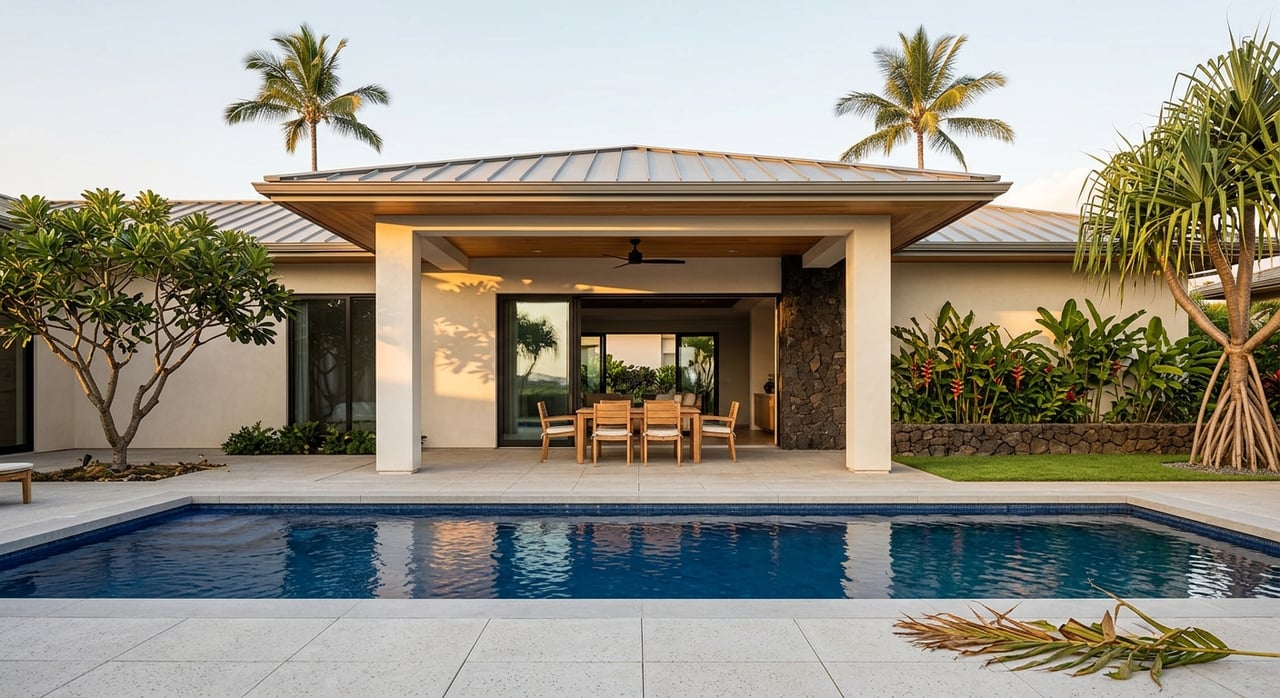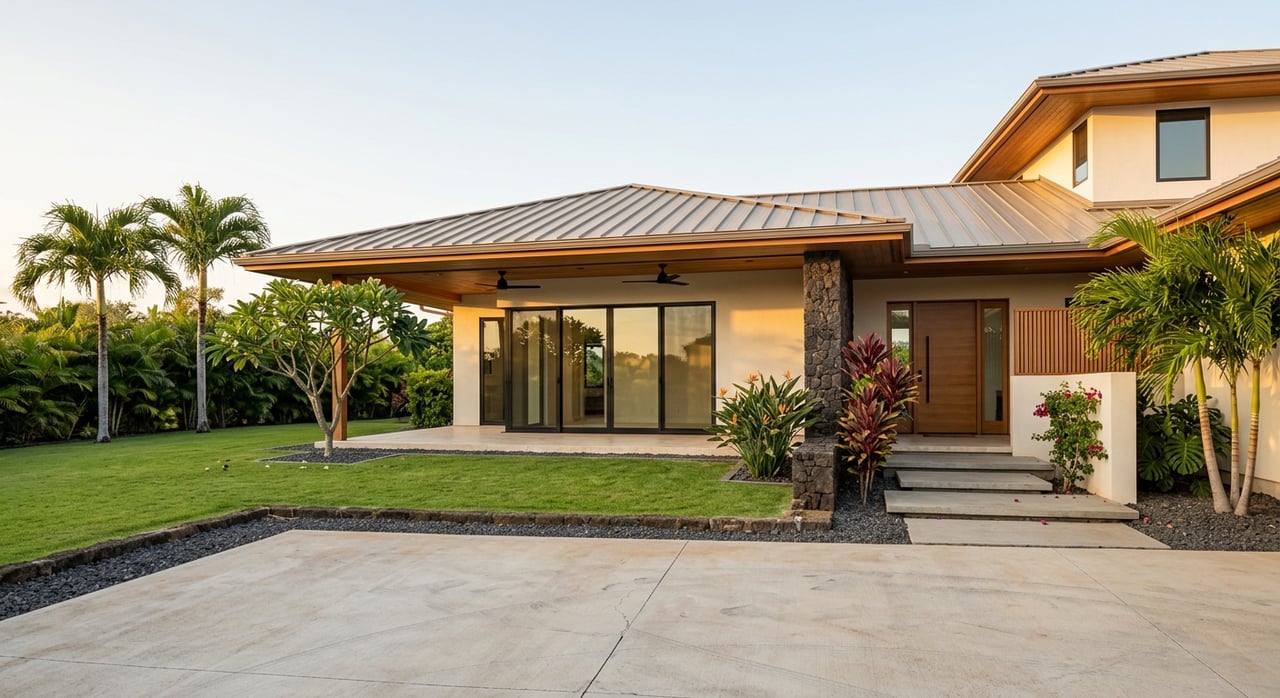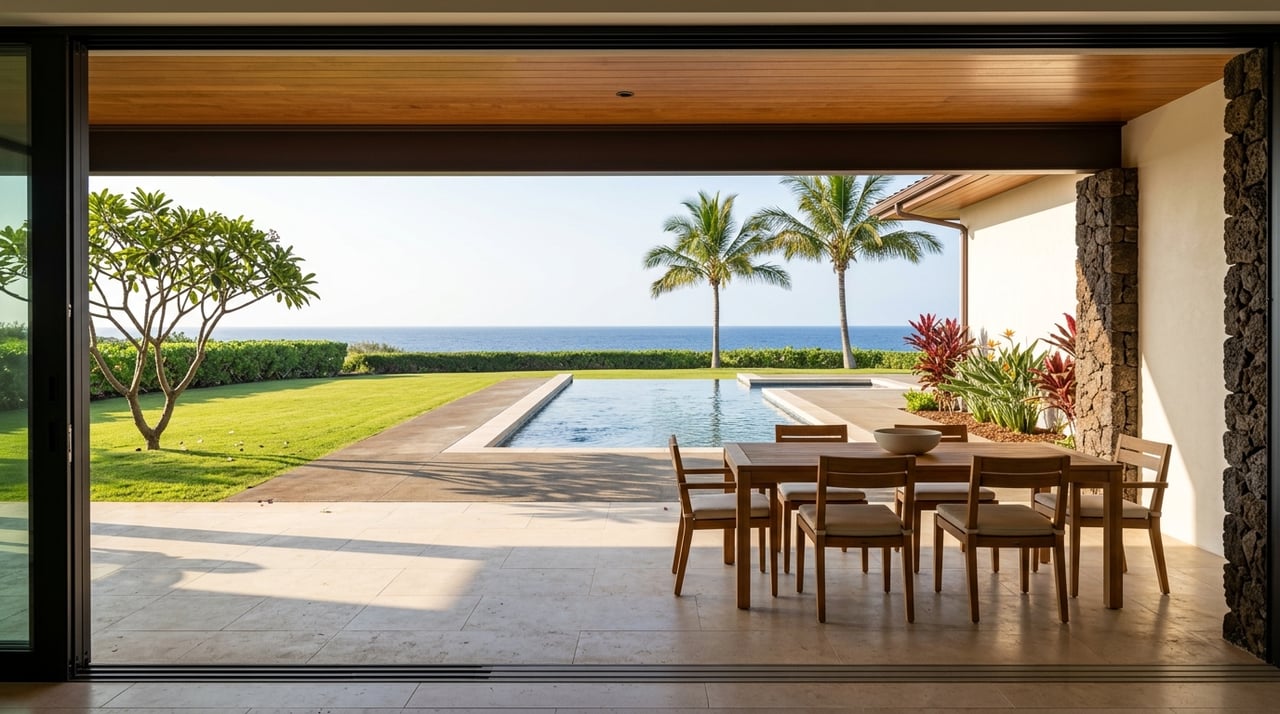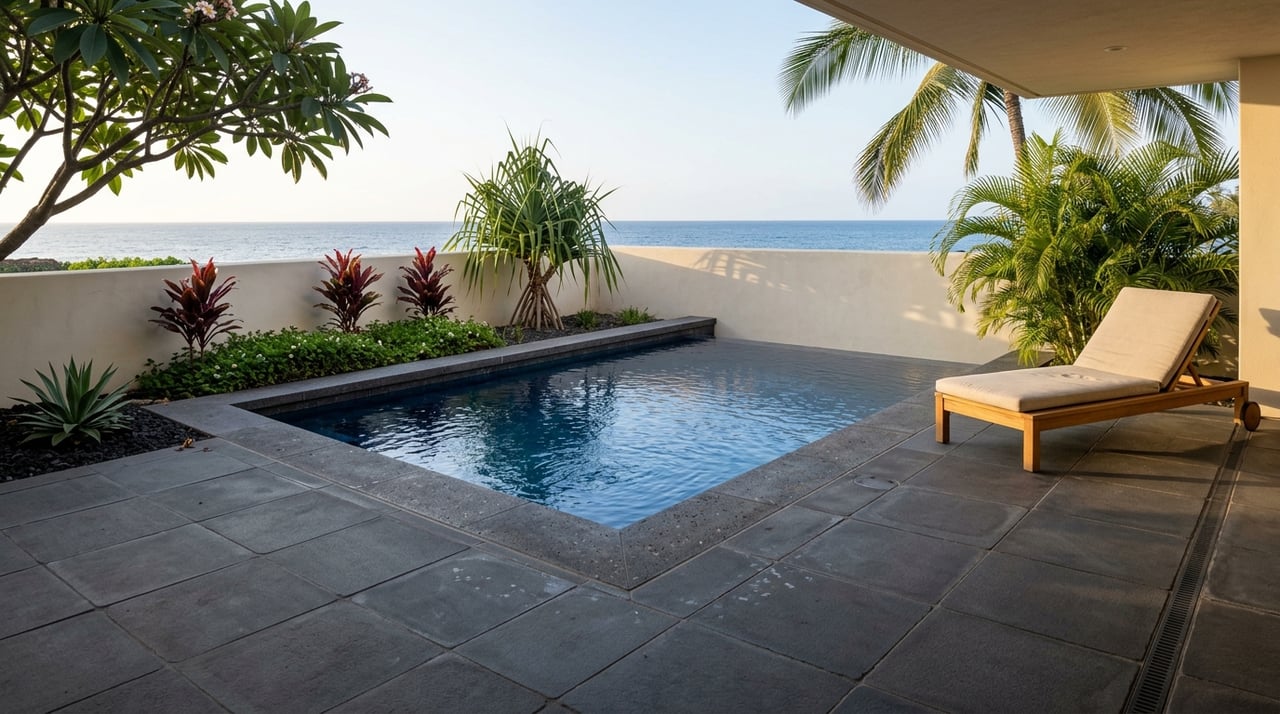
Thinking about a condo at Waikoloa Beach Resort but unsure where to start? You are not alone. The resort’s mix of buildings, rules, fees, and rental options can feel complex when you first explore it. In this guide, you will learn how AOAO dues work, what CC&Rs and common elements really mean, how insurance and short-term rentals fit in, and what to verify before you buy. Let’s dive in.
Waikoloa Beach Resort at a glance
Waikoloa Beach Resort sits on the coast near Waikoloa Village, and it is different from the inland residential neighborhood. Inside the resort you will find multiple condominium communities, hotels, golf, and shopping like Kings’ Shops. Ownership rules, amenities, and fees vary by project, so you will want to evaluate each complex on its own terms.
Typical buyers include second-home owners, vacation-rental investors, and seasonal residents. Units range from compact studios to larger, luxury condos. Because amenities and services differ widely, it pays to compare dues, rules, and rental policies across buildings before you narrow your search.
Condo types to compare
- Standard residential condominiums. Often suited for owner occupancy and long-term rentals, subject to CC&Rs.
- Resort-oriented condominiums. Larger common areas and enhanced amenities like pools, spas, and security. Dues tend to reflect higher service levels.
- Condotels. Condominium-hotel setups where units participate in a hotel-style rental program. Expect different rules and revenue splits.
- Mixed-use projects. Some buildings share commercial elements like retail or structured parking, which can affect assessments and usage.
AOAO dues and reserves
AOAO dues (also called HOA dues) fund the operation and stewardship of your community. They usually cover common-area maintenance, landscaping, building exteriors and roofs, elevators, pools and spas, security or front desk staff, common utilities, management fees, master insurance, reserves, and admin costs.
Monthly dues vary widely in resort areas. The fee depends on your unit’s percentage interest, amenity level, whether water or trash is included, and if the complex runs on-site resort services. Always confirm current dues and what they include during due diligence.
Reserves matter. Associations should maintain a reserve study that plans for big-ticket items like roofs, building envelope, elevators, paving, and pool work. If reserves fall short, a special assessment can occur. Review the latest budget, reserve study, and meeting minutes to spot any pending capital projects or recent assessments. Red flags include low reserves relative to needs, frequent special assessments, or sharp dues increases without a clear capital plan.
Key finance questions to ask:
- What are the current monthly dues and inclusions?
- When was the reserve study last updated, and what percent funded are the reserves?
- Are there any pending or recent special assessments? For what and how long?
- What is the association’s delinquency rate on dues?
- Are there any legal actions or large claims that could affect finances?
CC&Rs and common elements
Your rights and responsibilities are set by the CC&Rs, bylaws, and Rules and Regulations. These documents cover permitted uses, rental policies, guest rules, renovation standards, and enforcement. They also explain common elements like land, structure, roofs, exterior walls, amenities, and shared systems, along with any limited common elements such as assigned lanais, storage lockers, or parking stalls that are for exclusive use but still part of the association.
Before you plan a remodel, confirm the approval process. Many AOAOs require architectural review for changes that impact building systems or common elements. Flooring rules can restrict certain materials due to noise. Exterior changes, lanai enclosures, and window or shutter updates often have standards you must follow.
AOAO boards are elected from the owner base, typically by percentage interest. Owner meeting minutes and voting records help you understand community priorities and any contentious issues. For governance basics and best practices, you can review guidance from the Community Associations Institute.
Insurance essentials in Hawaii
Condo insurance happens at two levels. The association carries a master policy that insures common areas and usually the building’s shell. Individual owners carry an HO-6 policy that covers interior improvements and betterments, personal property, loss of use or rental income interruption, personal liability, and loss-assessment coverage.
Hawaii’s coastal setting adds exposures. Wind and hurricane risk, flood risk in FEMA zones, and earthquake risk are important considerations. Association deductibles for wind or hurricane events can be significant and percentage based. Ask for the master policy declarations and understand exactly what the AOAO covers inside your walls. Then tailor your HO-6 coverage accordingly, including robust loss-assessment limits.
If you plan to host transient guests, confirm that your insurance covers short-term rental exposure. Many standard HO-6 policies exclude commercial use, so you may need a specialized short-term rental or landlord policy.
Helpful resources:
- Check flood zone status and options using the FEMA Flood Map Service Center.
- For condo-insurance governance and policy basics, consult CAI’s best-practice resources.
Parking, storage, and pets
Parking set-ups vary. Some stalls are deeded, others are assigned or first-come. Visitor parking can be tight in resort areas, sometimes with permits, time limits, or towing rules. If you need extra vehicle or oversized storage, verify options since boats, RVs, and commercial vehicles are often restricted.
Storage adds real value. Certain complexes provide storage lockers or organized spots for bikes, surfboards, and paddleboards. Some have rental or registration rules for common storage areas.
Pet policies differ by AOAO. You might see limits on number, size, or breed, along with leash and cleanup rules in common areas. Some projects limit or prohibit pets. Service animals and emotional support animals must be accommodated per fair housing laws with proper documentation. Ask for the pet addendum and any history of pet-related disputes.
Short-term rentals and taxes
Short-term rentals are common at Waikoloa Beach Resort, but they come with clear obligations. Hawaii imposes the state Transient Accommodations Tax and General Excise Tax on transient stays. Owners who rent to guests must register and remit taxes through the Hawaii Department of Taxation.
Hawaii County governs local rules and permits for vacation rentals, and requirements can change. Always verify the current permit status for a unit you intend to rent and review any AOAO rental policies or caps. Start with the Hawaii County Planning Department for zoning and permit guidance.
Some resort complexes offer professional rental programs, which may include owner usage minimums or blackout dates, mandatory enrollment, or fixed revenue splits. Others limit the percentage of units allowed to operate as short-term rentals, or they require AOAO registration and guest policies. Confirm minimum stay rules, guest parking rules, and any HOA-imposed transient fees before you underwrite rental income.
Seasonality matters. Visitor demand on Hawai‘i Island rises and falls through the year, which affects nightly rates and occupancy. For a market-level view, review data from the Hawaii Tourism Authority and compare it with the rental history of the specific unit and building you are considering.
Local logistics and services
Think about who will handle the day-to-day. On-island property managers can resolve maintenance quickly and maintain vendor relationships. Confirm how utilities and services are billed. Some AOAOs include water, trash, cable, or internet, while others bill these separately. Logistics like shipping, vendor scheduling, and distance to the airport can influence costs and guest experience.
Buyer due diligence checklist
Request these items early and review them closely:
- CC&Rs, bylaws, and Rules and Regulations.
- Latest budget, reserve study, and financial statements.
- Board meeting minutes for the past 12 to 24 months.
- Master insurance policy declarations and proof of payment.
- History of special assessments and any pending assessments.
- Estoppel certificate confirming dues status.
- Owner occupancy percentage and rental policy, plus any rental program contracts for condotels.
- Unit rental history, current management agreements, and tax registration if rented.
- Title report and recorded map or plat that confirms parking stalls, storage, and common elements.
- Any litigation records or active insurance claims.
- Engineering or inspection reports for building envelope issues.
Smart questions to ask the AOAO or manager:
- What major projects are planned in the next 1 to 5 years?
- How are insurance deductibles allocated to owners after a covered loss?
- What is the timeline and process for architectural approvals?
- What permits or AOAO approvals are required for short-term rentals? Are there rental caps or minimum stays?
For condo law and disclosure guidance, you can reference the Hawaii DCCA Real Estate Branch, and for permits and zoning, check with the Hawaii County Planning Department. For state taxes and registration, use the Hawaii Department of Taxation.
Red flags and smart moves
Watch for underfunded reserves, frequent or large special assessments, or high dues delinquency. Ongoing litigation or unresolved construction issues deserve extra scrutiny. Be cautious with rental assumptions if rules are confusing or restrictive, or if county permitting is unclear.
Balance your wish list with operating realities. A high-amenity complex may deliver a great guest experience and premium rates, but it will likely carry higher dues. A smaller complex may cost less each month but require more hands-on involvement. Your ideal fit depends on how you plan to use the condo and how much you want to outsource.
Concierge help, start to finish
Owning in Waikoloa Beach Resort should feel effortless. With local guidance, thorough documents, and the right management plan, you can enjoy your time on island and protect your investment. Our team pairs resort-market expertise with hospitality-grade property management to help you buy confidently and operate smoothly.
Ready to explore condos, model rental income, or compare AOAOs? Schedule a private consultation with Luxury Properties Hawaii LLC to map your path from discovery to ownership and ongoing management.
FAQs
What is the difference between Waikoloa Beach Resort and Waikoloa Village?
- Waikoloa Beach Resort is a coastal resort district with multiple condo complexes, hotels, golf, and retail, while Waikoloa Village is an inland residential area; each can have different AOAO rules and services.
How high are condo HOA dues in Waikoloa Beach Resort?
- Dues vary widely by unit size, amenities, and included utilities; review the current budget, inclusions, and reserve funding for each complex to compare true monthly costs.
Can I run a short-term rental in the resort?
- Many condos allow short-term rentals, but you must follow AOAO rules and Hawaii County permitting, and you must register and remit TAT and GET with the Hawaii Department of Taxation.
What insurance do I need as a condo owner?
- The AOAO carries a master policy, and you typically need an HO-6 for interior items, contents, liability, loss of use, and loss-assessment; confirm hurricane and flood needs using FEMA’s flood maps.
How do parking and storage usually work?
- Some stalls and lockers are deeded while others are assigned or first-come; verify transfer details, guest parking rules, and any registration or fees for storage.
Where can I find official condo documents and rules?
- Ask the seller and AOAO manager for the resale packet, financials, reserve study, insurance declarations, meeting minutes, and rental policies; for legal context, see the Hawaii DCCA Real Estate Branch and for zoning or permits, the Hawaii County Planning Department.