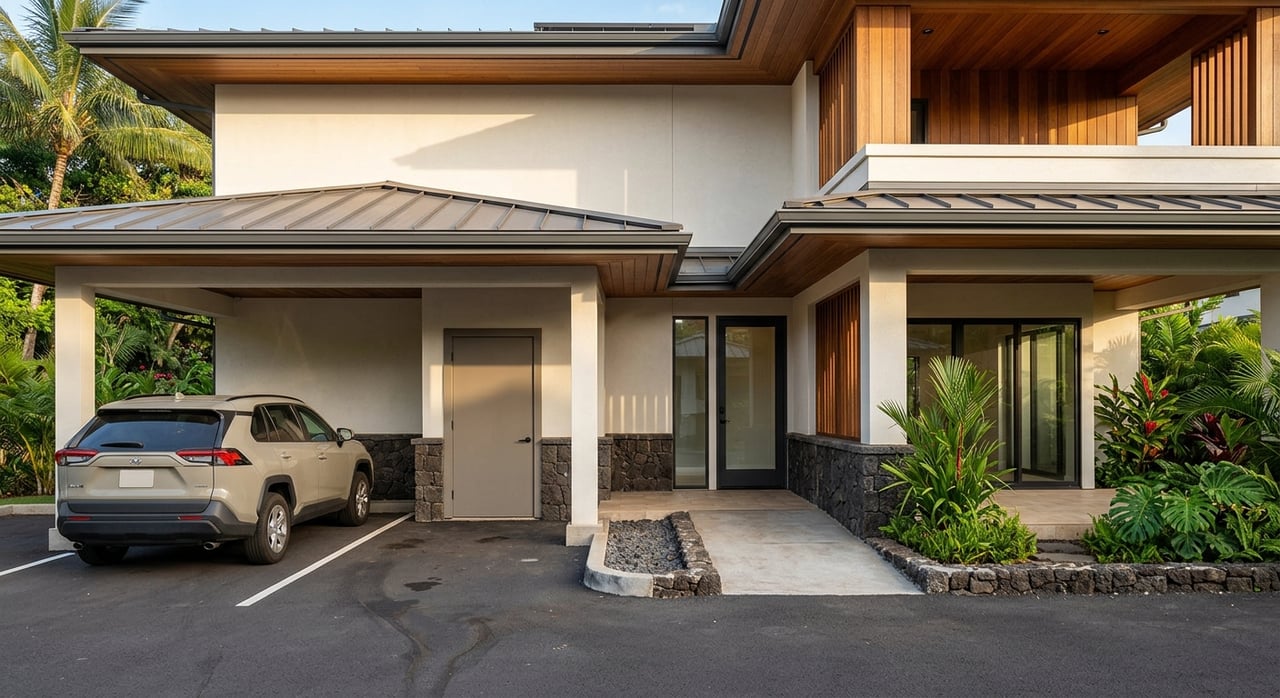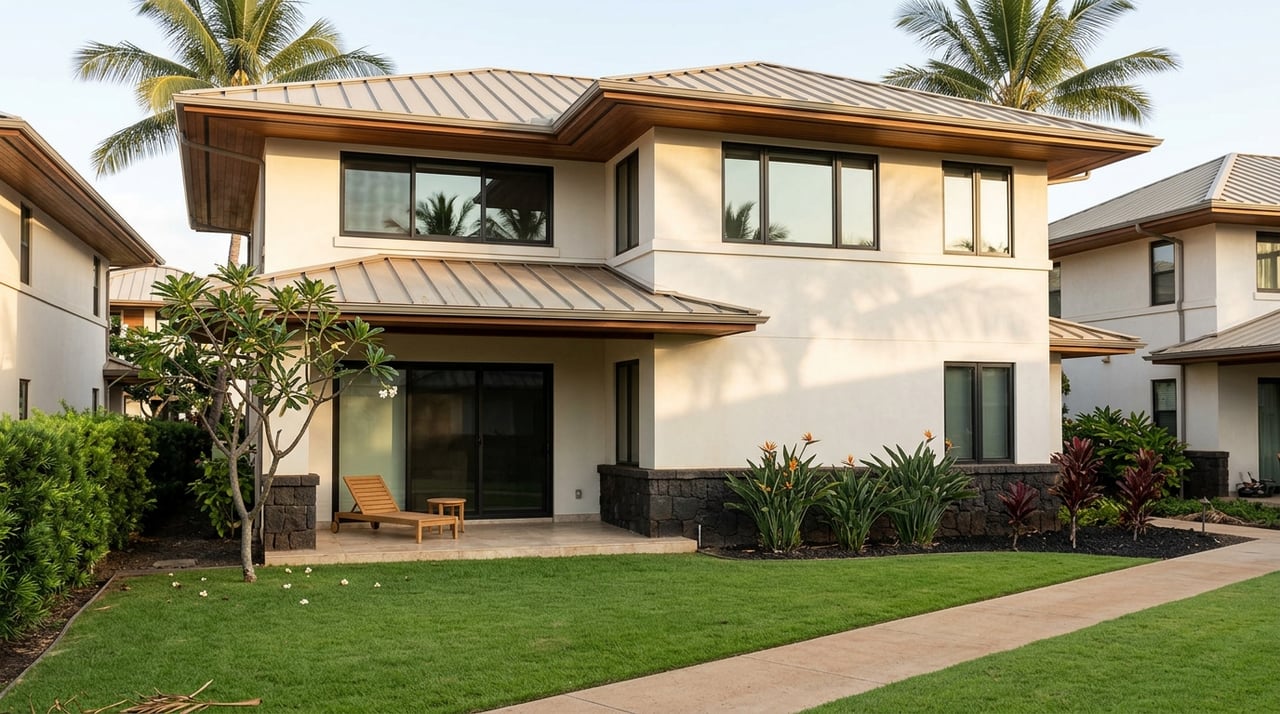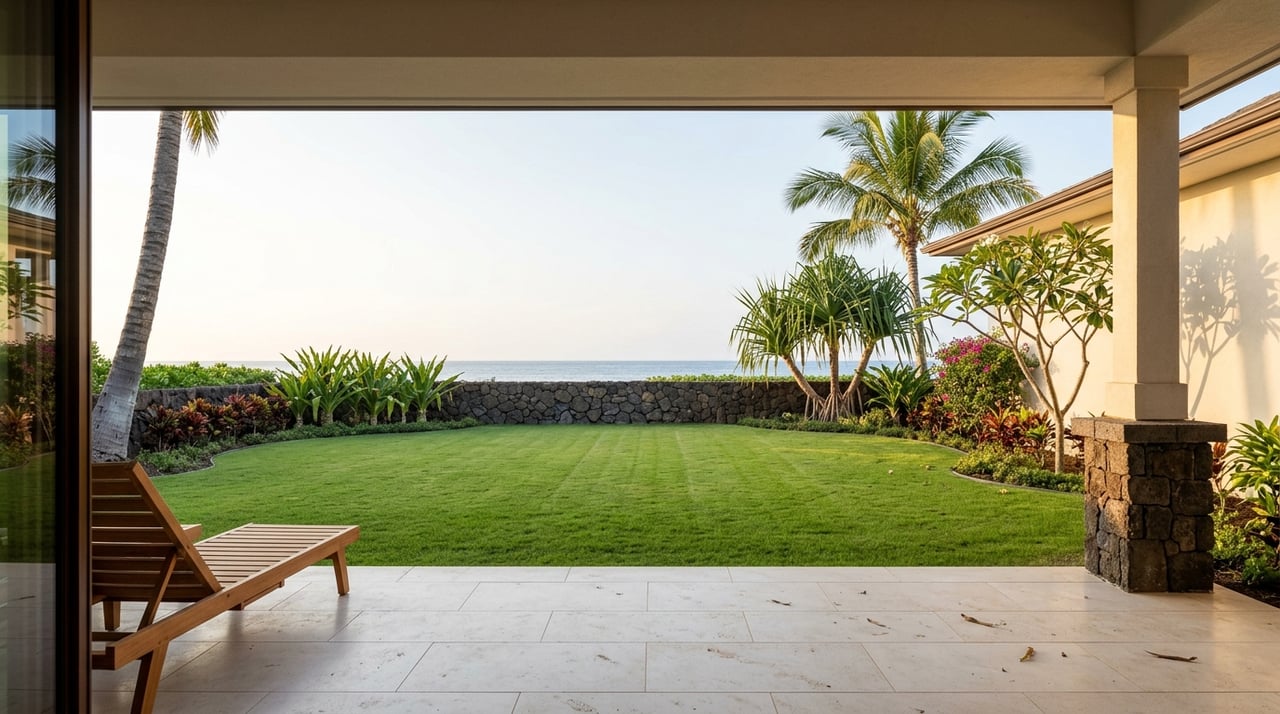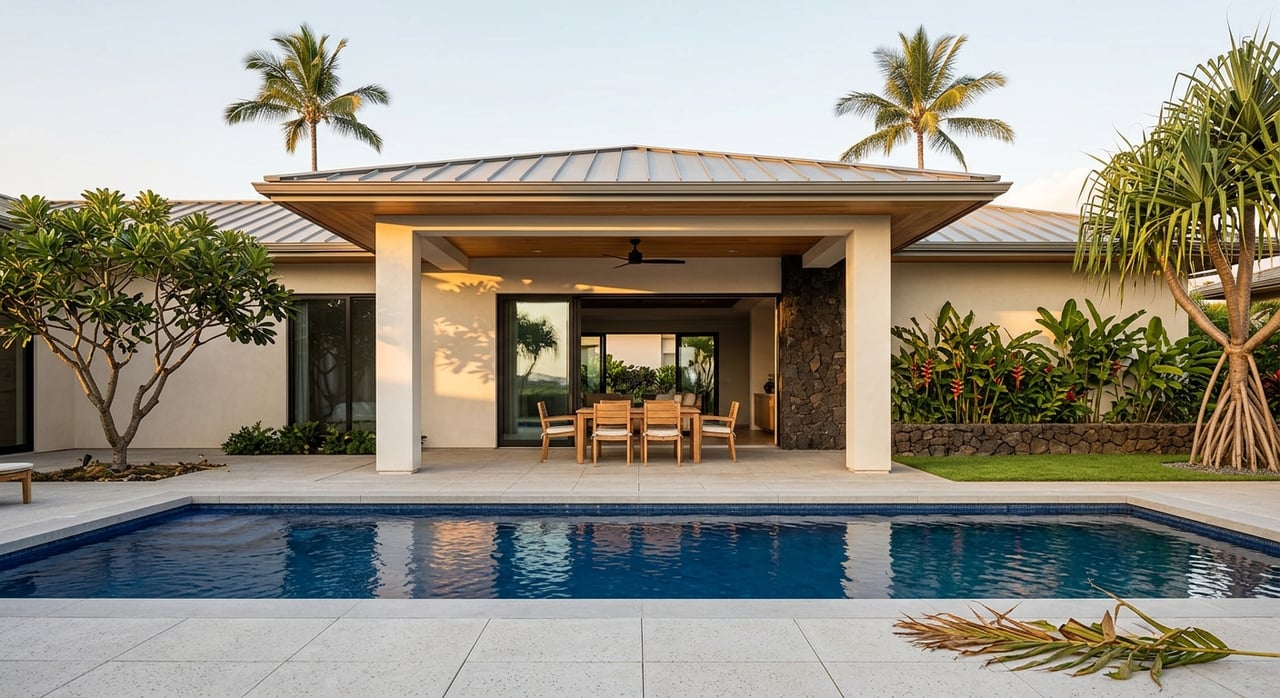
Looking after a home in Keauhou Estates is about more than unlocking the front door and enjoying the view. If you are buying a second home or planning for part-time ownership in Kahaluu-Keauhou, you also need a clear plan for association rules, climate-driven upkeep, and day-to-day oversight when you are off island. The good news is that with the right systems, ownership can feel far more seamless and far less reactive. Let’s dive in.
Keauhou Estates ownership starts with stewardship
Keauhou Estates sits within North Kona’s resort-residential setting, and county planning materials identify it as a 135-lot community. That matters because ownership here tends to be shaped by privacy, shared standards, and view-sensitive surroundings, not just the square footage of a home.
In practical terms, you are not only caring for your house. You are also stepping into a community structure with shared-cost responsibilities, design expectations, and ongoing maintenance habits that help protect the setting over time.
HOA documents matter after closing
For many buyers, the most important home-care checklist begins before move-in. Under Hawaiʻi’s planned community association law, association documents can govern common areas, architectural control, maintenance of units, use restrictions, and mandatory assessments.
Those assessments support operations, maintenance, services, and reserves. If you own in Keauhou Estates, that means your monthly or periodic costs are part of the long-term ownership picture, not an afterthought.
What to review in your association packet
Your after-closing file should include the key documents that explain how the community operates and what is expected of owners. These records help you understand both costs and limits before a maintenance issue or improvement project comes up.
A strong owner packet should include:
- Recorded declaration and CC&Rs
- Bylaws
- Current rules
- Current budget
- Reserve information
- Meeting minutes
- Assessment schedule
- Architectural guidance
- Any rental-use guidance
If you need more detail later, Hawaiʻi law also gives association members the right to request inspection of additional records, and the association must provide a written response within 60 calendar days.
Why monthly fees deserve close attention
A current listing snapshot for a Keauhou Estates parcel referenced monthly maintenance fees of about $550, along with features such as a guard entry gate and underground utilities. That can be a helpful real-world example, but it is only a snapshot.
The most reliable source is always the latest estoppel certificate and the current association packet. If you are planning your annual ownership budget, you will want to confirm exactly what is included, what can change, and whether any special assessments are under discussion.
Climate shapes home care in Keauhou
In Keauhou Estates, the climate usually drives maintenance faster than the age of the home. High humidity, rainfall, salt exposure, and moisture can create steady wear on both interiors and exteriors, especially in a home that may sit vacant between visits.
That is why routine care works better than occasional catch-up projects. Small checks done on a schedule can help you avoid larger repairs later.
Focus on the exterior first
Marine-adjacent conditions can be corrosive, and active maintenance matters. In a home with lanais, pool areas, and exposed hardware, you should expect recurring inspections instead of a once-a-year review.
Pay close attention to:
- Paint condition
- Exterior caulk
- Fasteners and exposed metal
- Railings
- Window and door screens
- Exterior doors
- Lanai surfaces
- Pool-area fixtures
Small issues can allow moisture in quickly. Cracked or missing caulk around windows, doors, and trim should be addressed promptly to help prevent water intrusion.
Keep landscaping in check
In a view-oriented community, landscaping is not only about appearance. It also affects airflow, moisture management, and long-term sightlines.
Guidance for corrosive and humid environments supports keeping plants cut back to improve airflow. In Keauhou’s regional context, maintained view sheds and thoughtful plant growth also matter, especially when taller plantings can gradually affect ocean or golf-course views.
Check after storms and weather shifts
Island weather can change quickly, and post-storm inspections are a smart part of ownership. Even if there is no obvious damage, wind and rain can loosen hardware, push moisture into small gaps, and leave debris where it should not be.
A simple post-weather check can include exterior surfaces, drains, screens, lanai areas, pool equipment, and any spots where water tends to collect. This kind of habit helps protect both your comfort and your long-term maintenance budget.
Pool care needs a steady schedule
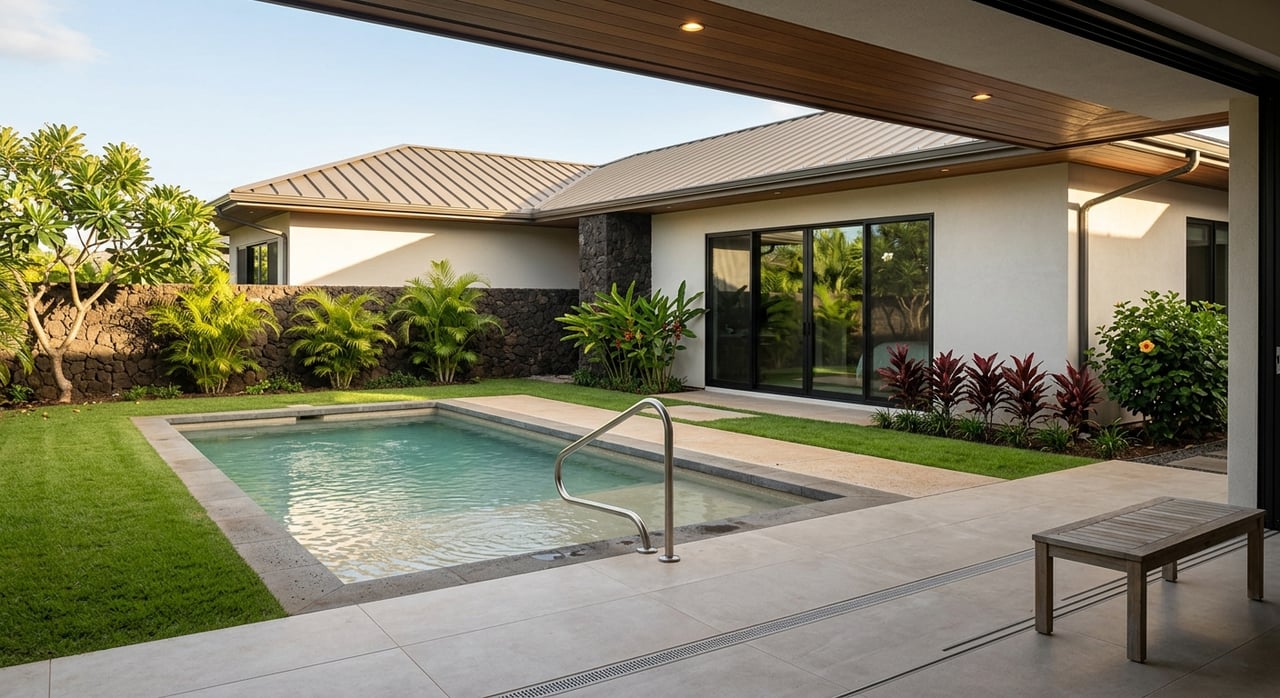
If your Keauhou Estates home has a private pool or hot tub, regular service should be part of your baseline operating plan. Residential owners are responsible for routinely checking chlorine and pH, and water that falls outside the recommended pH range can reduce disinfectant effectiveness and contribute to equipment or pipe corrosion.
For a second home, that usually means setting a service cadence instead of relying on visits from family or a quick cleanup before arrival. Pool care works best when it is consistent.
A practical pool service rhythm
Most owners benefit from a repeatable schedule that covers both water quality and equipment condition. This is especially true if the home is vacant for stretches or used by guests.
Your routine may include:
- Water testing
- Chlorine checks
- pH checks
- Skimming and debris removal
- Filter checks
- Equipment inspections
- Post-weather inspections
With a system in place, your pool stays more guest-ready and less likely to surprise you with a repair issue.
Remote ownership works best with systems
Part-time ownership becomes much easier when your home is managed like an ongoing operation rather than a series of one-off tasks. For many second-home buyers, the real challenge is not knowing what to do. It is knowing what is happening when you are not there.
A centralized management system can help you track financials, reports, maintenance requests, documents, inspection notes, and vendor activity in one place. That kind of visibility is especially valuable when you are coordinating service from the mainland or balancing personal use with rental plans.
What a strong management workflow looks like
A good workflow makes it easier to move from problem spotting to problem solving. Instead of relying on scattered texts or email chains, you can keep inspections, approvals, and vendor work organized.
Useful management features can include:
- Real-time owner financials
- Maintenance request tracking
- Work-order assignment
- Vendor status updates
- Document storage
- Approval notes
- Recurring task scheduling
For owners in Keauhou Estates, that level of transparency can turn home care into a more predictable process.
Renting your home adds another layer
If you plan to rent out your property, you should confirm both community rules and county requirements before you market the home. Hawaiʻi County says short-term vacation rentals are regulated under Bill 108 and Rule 23, and existing nonconforming-use certificate holders must renew annually.
The county also directs owners to the short-term vacation rental packet and compliance forms. In addition, the county finance page says operators generally need state Transient Accommodations Tax registration and may also need a county short-term vacation rental permit.
The right order for rental due diligence
If rental income is part of your ownership strategy, the sequence matters. You do not want to assume a home can be rented a certain way before the rules are verified.
A practical post-closing sequence is:
- Review HOA rental restrictions and use rules.
- Confirm Hawaiʻi County eligibility and permit requirements.
- Set up your tax and compliance calendar.
- Build your management and service plan.
This step-by-step approach helps you align your ownership goals with the actual rules attached to the property.
A simple care plan for Keauhou Estates
The easiest way to think about ownership here is as a stewardship model. The association may handle part of the shared framework, but you still need a plan for the items that climate, exposure, and view sensitivity can affect most.
A practical home-care plan usually includes clear documents, a maintenance calendar, recurring vendor coordination, and a reliable way to track activity when you are away. When those pieces are in place, your home is easier to enjoy and easier to protect.
Whether you are buying your first island retreat or refining how an existing property is cared for, local guidance makes a difference. If you want a concierge approach to buying, renting, or ongoing property oversight in Keauhou and across the Big Island, schedule a private consultation with Luxury Properties Hawaii LLC and Go Luxe Realty.
FAQs
What does owning a home in Keauhou Estates usually involve?
- Owning in Keauhou Estates typically means managing both the home itself and the responsibilities that come with a planned community, including association rules, assessments, exterior upkeep, and view-sensitive maintenance.
What HOA documents should a Keauhou Estates buyer review?
- You should review the declaration and CC&Rs, bylaws, rules, budget, reserve information, meeting minutes, assessment schedule, architectural guidance, and any rental-use guidance.
Why is home maintenance in Kahaluu-Keauhou more frequent?
- Humidity, rainfall, salt exposure, and moisture can speed up wear on exterior surfaces, metal components, lanais, doors, windows, and pool equipment, so regular inspections are important.
How often should a private pool be checked in a Keauhou Estates home?
- A private pool should be checked on a routine service schedule for chlorine, pH, debris, filters, equipment, and post-weather conditions rather than only before owner or guest arrivals.
Can you use a Keauhou Estates home as a short-term vacation rental?
- Possibly, but you should first verify HOA rental restrictions, then confirm Hawaiʻi County eligibility, permit requirements, and tax registration needs before making rental plans.
What helps remote owners manage a home in Keauhou Estates?
- A centralized management system with financial reporting, maintenance tracking, vendor coordination, document access, and recurring task scheduling can make remote ownership more organized and transparent.